

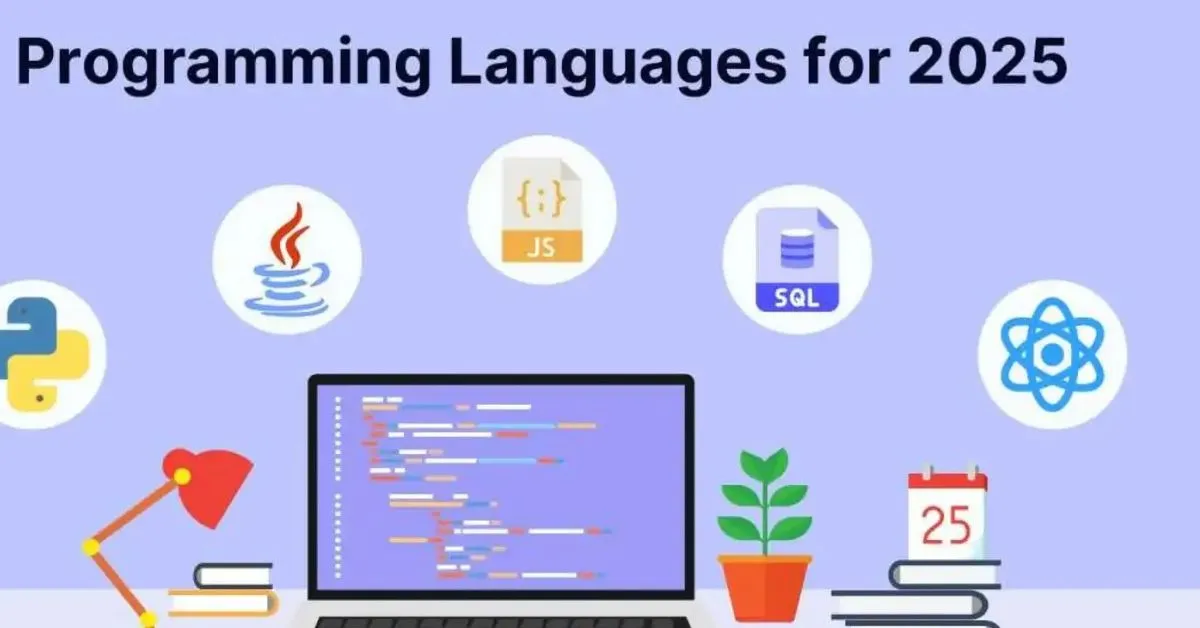
Technology is evolving faster than ever, and the demand for skilled developers continues to grow across industries. From websites and mobile applications to intelligent systems and data-driven platforms, coding skills have become essential for career growth. Choosing the right language to learn, however, can be confusing for beginners.
This article, Top Programming Languages to Learn in 2025: Complete Course Guide for Beginners, offers a clear roadmap for anyone starting their coding journey. It explains which languages are most relevant, how they are used, and how beginners can learn them step by step.
Why Learning Programming Languages Matters in 2025
In 2025, digital solutions power almost every sector, including education, healthcare, finance, and entertainment. Behind these solutions are developers who understand how to write, manage, and optimize code. Learning Programming Languages opens doors to problem-solving roles, creative opportunities, and long-term career stability.
For beginners, the goal is not to master everything at once but to understand which language aligns with their interests and future goals. A structured learning path makes the journey smoother and more effective.
Key Factors Beginners Should Consider Before Choosing a Language
Before starting, learners should evaluate a few important factors.
These include:
- Ease of learning and readability
- Community support and resources
- Career opportunities
- Application areas like web, data, or systems
- Long-term relevance
Selecting the right language early helps beginners stay motivated and focused.
Understanding the Core Areas of Programming
Programming language are designed for different purposes. Some focus on creating interactive web pages, while others power complex management systems or intelligent applications.
Understanding these areas helps beginners choose languages that match their interests. Common areas include web development, data processing, automation, and software engineering.
Major Programming Domains Explained
Common domains include:
- Front-end interfaces and user experience
- Back-end logic and databases
- Front end development for interactive designs
- Intelligent systems using artificial intelligence
- System-level and application-level development
Each domain uses specific tools and languages suited to its goals.
Programming Languages for Web Development Beginners
Web development remains one of the most accessible entry points for beginners. It allows learners to see results quickly and understand how code interacts with users.
Languages used for building web pages focus on structure, design, and functionality. Beginners often start here because visual feedback makes learning more engaging.
Beginner-Friendly Web Development Skills
- Writing clean and readable code
- Designing interactive layouts
Handling user input - Connecting front-end and back-end logic
These skills form the foundation of front end development and beyond.
Role of Programming Languages in Software Engineering
Software engineering focuses on designing, building, testing, and maintaining applications. Languages used in this field emphasize structure, performance, and scalability.
Beginners interested in long-term development careers benefit from learning languages that support strong programming principles and real-world problem-solving.
Skills Developed Through Software Engineering Languages
- Logical thinking and problem-solving
- Code organization and modularity
- Debugging and testing
- Application lifecycle understanding
These skills remain valuable across industries.
Programming Languages Used in Artificial Intelligence
The rise of artificial intelligence has created new opportunities for developers. AI systems rely on programming language that can handle data, algorithms, and learning models efficiently.
Beginners interested in AI should focus on understanding logic, mathematics, and basic data handling before diving into advanced concepts.
Core Concepts Behind AI Programming
- Data handling and processing
- Algorithm design
- Pattern recognition
- Automation and decision-making
Learning these concepts prepares beginners for future AI-focused roles.
Importance of Open Source in Learning Programming
The open source ecosystem plays a major role in programming education. Open source projects allow learners to view real-world code, experiment freely, and collaborate with others.
For beginners, open source encourages exploration and hands-on learning without restrictions. It also builds confidence and practical experience.
Benefits of Open Source Learning
- Free access to learning resources
- Exposure to real-world projects
- Community-driven support
- Continuous improvement opportunities
Open source learning builds both technical and collaborative skills.
Learning Paths Based on Beginner Goals
| Beginner Goal | Focus Area | Skill Outcome |
| Website creation | Front end development | Interactive web pages |
| App building | Software engineering | Scalable applications |
| Intelligent systems | Artificial intelligence | Smart solutions |
| Data handling | Management systems | Organized data flow |
| Programming Languages | Core logic | Career flexibility |
This table shows how Programming Languages support different learning goals.
Programming Languages for Data and Management Systems
Modern applications rely heavily on management systems to store, process, and retrieve data. Languages used in this area focus on reliability, efficiency, and security.
Beginners interested in data-related roles benefit from understanding how databases interact with applications and users.
Key Concepts in Management Systems Programming
- Data storage and retrieval
- Query logic
- Security and access control
- Performance optimization
These concepts are essential for backend and enterprise systems.
How Beginners Should Structure Their Learning Journey
Learning programming is a marathon, not a sprint. Beginners should focus on consistency, practice, and understanding rather than memorization.
A structured course approach helps learners progress from basics to real-world applications while avoiding burnout.
Effective Learning Strategies for Beginners
- Start with fundamentals
- Practice daily with small projects
- Build simple applications
- Review mistakes regularly
- Gradually increase difficulty
These strategies improve long-term retention and confidence.
Beginner Learning Timeline Overview
| Learning Stage | Focus | Outcome |
| Month 1 | Basics and syntax | Code understanding |
| Month 2 | Small projects | Practical application |
| Month 3 | Domain focus | Skill direction |
| Month 4 | Advanced concepts | Problem-solving |
| Programming Languages | Continuous learning | Career readiness |
This table highlights how beginners can progress effectively.
Common Mistakes Beginners Make While Learning Programming
Many beginners quit due to unrealistic expectations or lack of direction. Trying to learn too many languages at once or skipping fundamentals often leads to confusion.
Focusing on one path and practicing consistently helps avoid frustration and builds confidence.
Mistakes to Avoid
- Skipping basic concepts
- Comparing progress with others
- Ignoring practice
- Avoiding problem-solving challenges
Avoiding these mistakes leads to steady improvement.
Why Programming Skills Will Remain Valuable in 2025
As technology continues to shape the future, programming remains a core skill. Automation, digital services, and smart systems all rely on developers who understand how to turn ideas into functional solutions.
Learning Programming Languages equips beginners with transferable skills that remain relevant across industries.
Conclusion
Top Programming Languages to Learn in 2025: Complete Course Guide for Beginners highlights that programming is not just about writing code it is about solving problems and creating value. By understanding core domains like front end development, software engineering, artificial intelligence, and management systems, beginners can make informed choices.
With consistent practice, use of open source resources, and a structured approach, anyone can build strong programming foundations and prepare for future opportunities.
Frequently Asked Questions (FAQs)
FAQ 1: What are Top Programming Languages to Learn in 2025: Complete Course Guide for Beginners?
It is a guide that helps beginners choose and learn relevant programming skills.
FAQ 2: Why should beginners learn programming languages in 2025?
Because technology-driven jobs continue to grow.
FAQ 3: Are programming language difficult for beginners?
No, with proper guidance and practice, they are manageable.
FAQ 4: Which area is best for beginners web or software engineering?
Both are good; the choice depends on interest.
FAQ 5: How does artificial intelligence affect programming learning?
It creates new opportunities and learning paths.
FAQ 6: What role does open source play in learning?
It provides free resources and real-world practice.
FAQ 7: Can beginners learn front end development first?
Yes, it is often beginner-friendly.