

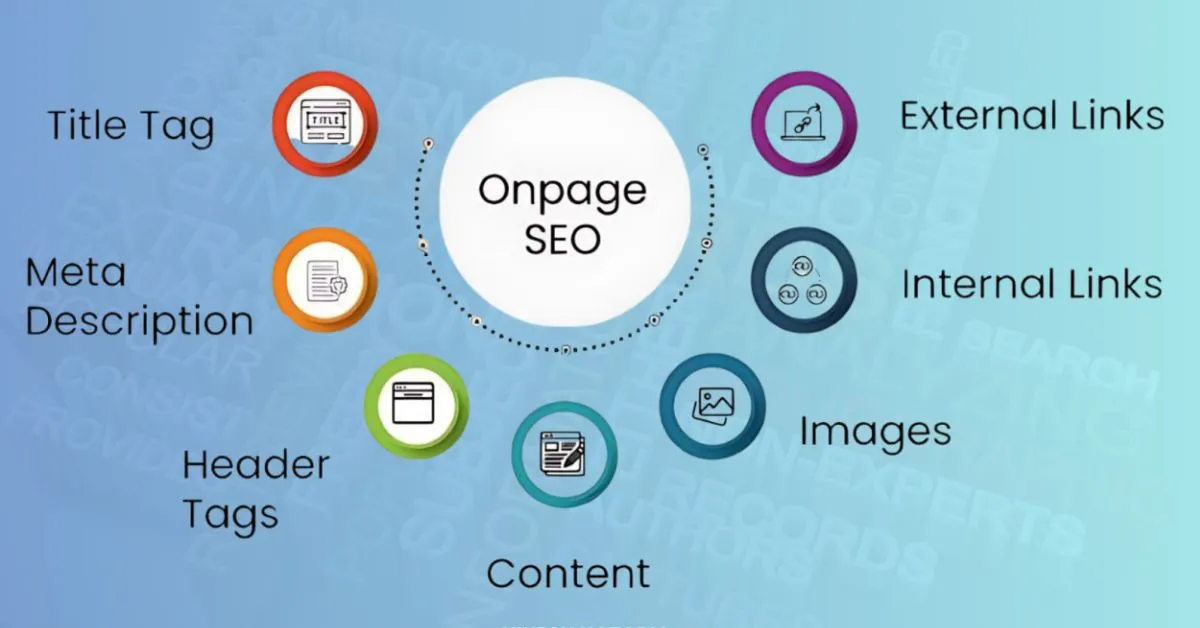
Search engines are developing at an unprecedented rate which requires websites in 2026 to implement advanced optimization methods. Websites must establish their competitive edge through three essential elements which are clear content and relevant material and user intent understanding. The implementation of On-Page SEO in 2026 functions as a fundamental component for website performance.
On-page optimization is no longer limited to keyword placement or meta tags. It now includes content quality, page experience, technical signals, and how clearly search engines understand your content. The guide demonstrates current on-page methods which operate in 2026 and describes recent developments while explaining how to use established methods which meet current search engine criteria.
Understanding On-Page SEO in 2026
On-page SEO refers to all optimization efforts which search engine optimization specialists use to enhance webpage content because they want to boost its search engine ranking. The search engines of 2026 give priority to websites that can deliver user intent results in less time while offering clear information and relevant content.
The modern on-page optimization system enables users to find answers quickly whereas it organizes content in a way that both humans and search engines can understand and it shows content material to readers in a detailed manner without causing them to feel overwhelmed. The goal is not just short-term ranking but long-term visibility and trust.
Why On-Page SEO Still Matters
Current search algorithms now assess page effectiveness based user problem-solving capabilities instead of measuring keyword occurrence. The study found that pages which present their topic clearly and deliver substantial content and maintain structured organization achieve better results throughout different time periods.
The process of optimizing websites through on-page SEO techniques leads to improved website crawling, enhanced user engagement, establishment of subject matter expertise, and maintenance of website ranking performance over time. The absence of a strong on-page base prevents effective delivery of results from off-page SEO techniques.
Content Quality: The Core of Modern SEO
The most important on-page ranking factor for content quality continues to exist as the primary ranking factor in 2026. Search engines can easily identify thin, repetitive, or low-value AI-generated content which lacks both depth and original content.
High-performing content is:
- Written for real users, not algorithms
- Well-structured and easy to scan
- Focused on solving a specific problem clearly
Successful pages, instead, delve deeply into the issues users enquire about, as they do not bother just about any related topic.
Keyword Placement Without Over-Optimization
The use of keywords continues to determine content relevance. The present search optimization methods focus on achieving natural content distribution and showing the importance of content in its specific context instead of using repeated elements.
Primary keywords should appear naturally in headings, introductions, and supporting sections, while related and semantic variations help reinforce topical context. Forced repetition is unnecessary because search engines now understand intent and meaning through natural language.
Heading Structure and Content Flow
The use or heading structure improves both the reading experience and the search engine understanding of text. The content of each section must maintain focus on one central idea which needs to transition into the next section through natural storytelling elements.
Effective pages use one H1 for the main topic and they divide content into multiple scannable sections through H2 and H3 headings while maintaining a logical flow throughout the entire article. This method is a more exciting way hence uplifting SEO performance while enhancing accessibility.
SEO-Friendly URLs and Their Role
An SEO-friendly URL is short, descriptive, and easy to understand. The more closely the URLs reflect the page’s actual purpose, the better those pages will perform in search results and the better clickthrough rates they will attain.
The best practices require users to write content in lowercase letters while using hyphens for word separation and they must use only essential parameters. Search engine indexing is greatly amplified by clean URLs. However, the confidence factor among the users who browse comes by.
Internal Linking: Building Context and Authority
The process of internal linking enables search engines to comprehend how content links together, which helps users find relevant information. The year 2026 will see internal links become essential for establishing topical authority.
Effective internal linking:
- Connects related topics naturally
- Uses descriptive and relevant anchor text
- Avoids excessive linking on a single page
This strategy improves crawl depth and enhances overall site structure.
Structured Data and Search Understanding
Search engines today depend on structured data because it helps them understand content correctly. The system achieves rich results eligibility through its correct implementation which also enhances search engine display.
Structured data helps with content classification, intent matching, and enhanced visibility without manipulating rankings. When used responsibly, it strengthens search understanding.
Schema Markup and Rich Results
Schema markup adds context to content elements which include articles and FAQs and how-to sections. The system improves search results through its display features, although it does not ensure better rankings.
The main advantages are that it lets you get rich snippets, a boost in click-through rates and credibility with your visitors. Schema markup is now counted as a best practice in most competitive niches.
Key On-Page SEO Elements in 2026
| Element | Purpose | SEO Impact |
| Content Quality | User satisfaction | Very High |
| Structured Data | Search understanding | High |
| Internal Linking | Topical authority | Medium |
| SEO-Friendly URL | Better CTR | Medium |
Page Experience Signals That Matter
User experience metrics directly influence rankings in modern search algorithms. Pages must load quickly, remain visually stable, and function smoothly across all devices.
Important signals include:
- Page speed optimization
- Mobile responsiveness
- Visual stability
These factors encourage longer engagement and better interaction.
Image Optimization and Accessibility
Images enhance content but must be optimized correctly to avoid performance issues. If an image is over-optimized, the file size will be large and the image quality will deteriorate.
Best practices include:
- Using descriptive alt text
- Compressing image sizes
- Applying relevant file names
These steps improve accessibility and image search visibility.
Content Freshness and Updates
Search engines prefer content which has undergone both updates and accuracy verification because this type of content better fulfills informational search requirements. The process of content updates allows websites to maintain their current materials while keeping their online presence up to date.
Updates commonly amount to merely the altering of figures, along with other possible changes, or enhancing readability.Regular updates signal trust and reliability.
Common On-Page SEO Mistakes to Avoid
| Mistake | Why It Hurts SEO |
| Keyword stuffing | Reduces readability |
| Thin content | Low user value |
| Poor internal linking | Weak topical signals |
| Missing schema markup | Lost rich result opportunities |
Aligning On-Page SEO with Overall SEO Strategy
The most effective results from on-page optimization occur when it operates as part of a complete SEO system. The success of the project depends on the collaboration between content planning and keyword research and technical SEO and user experience design.
This balanced approach supports consistent growth, stronger content performance, and reduced ranking volatility. Improving search engines while writing should no longer look so daunting and should rather look quite fun.
Measuring On-Page SEO Success
Success is measured through engagement, rankings, and user behavior. The main metrics of the study include average time on page and bounce rate and overall search visibility.
These are indicators that show whether the optimization efforts coincide with user expectations.
Frequently Asked Questions (FAQs)
1. What is On-Page SEO and why is it important in 2026?
On-Page SEO improves your page relevance, usability, and visibility on search engines.
2. How do primary keywords fit into modern optimization?
Use primary keywords naturally in headings, intro, and content to improve relevance.
3. Is internal linking still important for rankings?
Yes! Assist engines in interpreting content relationships and refining the crawl process.
4. Why is structured data important for SEO?
This facilitates clarity in content interpretation for search engines, and hence will improve the iterations for rich results.
5. Does schema markup directly improve rankings?
It improves visibility and click-through rates, which indirectly supports performance.
6. How does an SEO-friendly URL help users?
It will make the text be easier to read, more trusted, and help to develop higher click-through rates through the search engine.
Conclusion
The practice of on-page SEO for 2026 requires equal distribution of three elements which need to be expressed in a way that users understand their value.Search engines reward pages with clear, useful content and a smooth user experience.
Successful websites direct their efforts towards creating useful content which they back with effective technical methods instead of pursuing algorithm updates. The continuous application of on page SEO methods creates enduring online visibility for websites which also establishes their authority and human trust for contemporary search engines.Start applying these On-Page SEO 2026 strategies today to boost rankings and improve user experience.