
In 2025, businesses no longer invest in marketing blindly they demand clear, measurable results. Every campaign is expected to generate a return on investment (ROI), whether it’s leads, conversions, or sales. If your marketing efforts can’t be tracked, measured, and optimized, they simply fail to justify the budget.
Enrolling in a Performance Marketing Course 2025: Learn, Master & Plan a Smart Marketing Budget empowers learners to understand, implement, and analyze campaigns effectively. The course combines knowledge of marketing strategy, social media, content creation, and marketing budget management to ensure that every campaign delivers a tangible return on investment.
What is a Performance Marketing Course?
A Performance Marketing Course is an online program designed to teach marketers how to create campaigns that deliver measurable results. Unlike traditional marketing, which emphasizes brand awareness, performance marketing focuses on ROI, conversions, and measurable metrics.
A well-structured course usually covers:
- Marketing strategy: planning campaigns effectively
- Social media marketing: using platforms like Facebook, Instagram, and LinkedIn
- Content creation: producing engaging and converting content
- Marketing budget planning: allocating resources efficiently
This course is ideal for beginners and professionals who want to learn practical skills to boost their digital marketing career.
Planning a Smart Marketing Budget
A smart marketing budget is not about spending more money but about spending wisely. Performance marketing encourages starting with small test budgets and scaling only the campaigns that perform well.
In 2025, marketers rely on performance data to decide where budgets should be allocated. This approach reduces risk and increases efficiency.
Benefits of a Performance Marketing Course Online
Taking a Marketing Course Online provides several advantages:
- Flexible Learning – Access course material anytime and anywhere.
- Hands-on Practice – Work on real campaigns to gain practical experience.
- Cost-effective – Save money compared to traditional classroom courses.
- Career Growth – Learn high-demand skills that increase job opportunities.
- Networking Opportunities – Connect with peers and marketing experts.
By completing a Performance Marketing, learners can create a strong marketing strategy that aligns with business goals and optimizes the marketing budget.
Tracking and Optimization
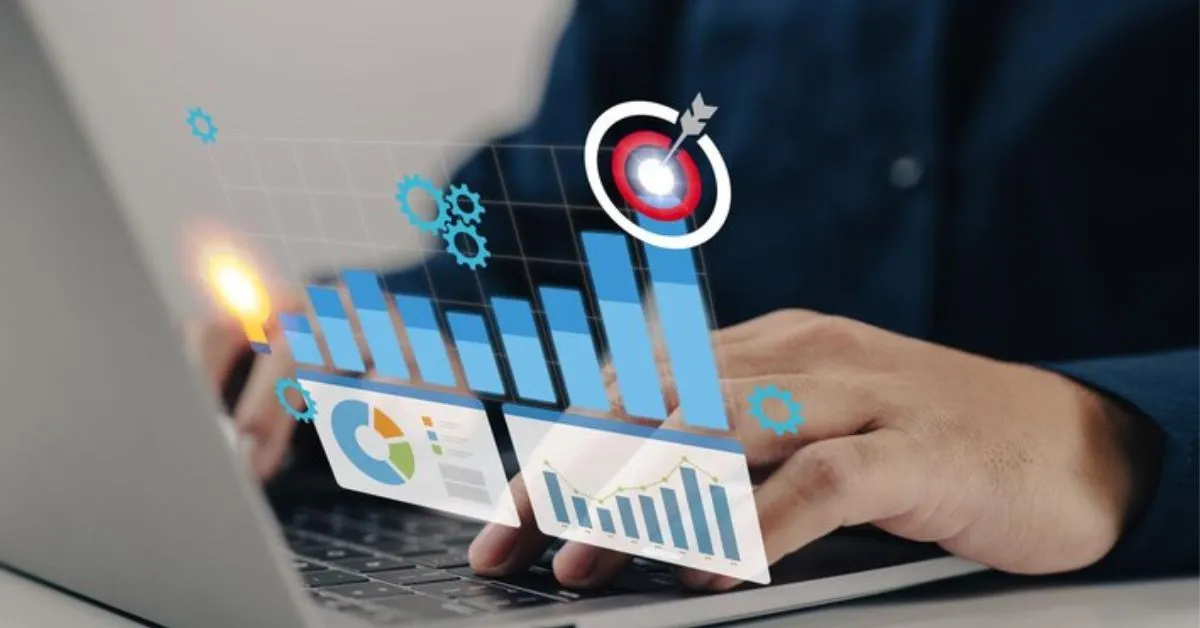
Tracking is the foundation of performance marketing. Without accurate data, optimization is impossible. Marketers monitor metrics to understand what works and what needs improvement.
Optimization is a continuous process. In 2025, successful marketers regularly refine targeting, content, and budget allocation based on insights.
Core Modules in a Performance Marketing Course
A comprehensive Performance Marketing Course includes these modules:
- Introduction to Performance Marketing – Learn KPIs, metrics, and the marketing funnel.
- Social Media Marketing – Run campaigns on Facebook, Instagram, and LinkedIn.
- Paid Advertising – Master PPC, Google Ads, and display advertising.
- Content Creation & Optimization – Develop content that converts.
- Marketing Budget Planning – Allocate funds for maximum ROI.
- Analytics & Reporting – Measure success and improve campaigns.
| Module | Key Learning Outcomes |
| Introduction to Performance Marketing | Understand metrics, KPIs, and marketing funnel concepts |
| Social Media Marketing | Manage campaigns on various platforms effectively |
| Paid Advertising | Run PPC and paid campaigns to optimize ROI |
| Content Creation & Optimization | Create engaging content that converts |
| Marketing Budget Planning | Plan and allocate funds for maximum returns |
| Analytics & Reporting | Measure success and optimize campaigns |
How to Build a Smart Marketing Budget
A smart marketing budget ensures maximum ROI. Key steps include:
- Set Clear Objectives – Define goals like leads, conversions, or sales.
- Analyze Past Campaigns – Learn from previous successes and failures.
- Allocate Budget by Channel – Divide funds between social media, paid ads, and content creation.
- Prioritize High-ROI Campaigns – Focus on channels that deliver measurable results.
- Track & Adjust – Monitor performance and reallocate funds if necessary.
Strategies to Succeed in Performance Marketing
Mastering performance marketing requires consistent application of proven strategies. A learner should focus on data-driven decisions, segmentation, content marketing, A/B testing, and social media campaigns.
By applying these strategies, marketers can optimize results and ensure that the marketing budget is effectively utilized. Completing a Performance Marketing Course provides structured guidance on implementing these strategies in real campaigns.
Role of Social Media in Performance Marketing
Social media is a critical part of performance marketing. Key points:
- Platforms like Facebook, Instagram, LinkedIn, and Twitter are essential.
- Paid campaigns allow precise targeting and measurable conversions.
- Content creation tailored to each platform improves engagement.
- Analytics tools help monitor ROI and audience behavior.
With social media skills gained from a Performance Marketing Course, marketers can create more impactful campaigns.
Tools & Techniques in a Marketing Course Online
A Marketing Course Online teaches essential tools for modern campaigns. Learners explore analytics, content creation, social media management, and paid advertising tools. These tools ensure campaigns are executed efficiently and performance is measurable.
| Tool Category | Examples | Use Case |
| Analytics Tools | Google Analytics, Hotjar | Track website performance and user behavior |
| Social Media Tools | Hootsuite, Buffer | Schedule posts and monitor engagement |
| Advertising Tools | Google Ads, Facebook Ads Manager | Run paid campaigns and optimize ROI |
| Content Tools | Canva, Adobe Spark | Create visually engaging content |
| Email Marketing | Mailchimp, Sendinblue | Automate campaigns and nurture leads |
Career Growth With Performance Marketing Skills
Performance marketing skills are highly valued in 2025. Professionals who understand analytics, budgeting, and optimization are in demand across industries.
Completing a Marketing Course Online or Performance Marketing Course helps learners build job-ready skills that support long-term career growth.
Frequently Asked Questions
1. What is a Performance Marketing Course?
It teaches marketers to create campaigns focused on measurable results and ROI.
2. Who should take a Marketing Course Online?
Beginners, freelancers, and professionals wanting to improve marketing strategy, social media, and content creation skills.
3. How does it help with a marketing budget?
It teaches smart allocation of resources to maximize ROI.
4. Can I learn social media marketing in this course?
Yes, social media is a core module, covering platforms like Facebook, Instagram, and LinkedIn.
5. Do I need prior marketing experience?
No, courses are suitable for both beginners and experienced marketers.
6. What tools will I learn?
Analytics, social media scheduling, paid advertising, content creation, and email marketing tools.
7. How long does it take to complete?
Usually 6–12 weeks depending on course depth.
8. Will it improve content creation skills?
Yes, learners master creating engaging, conversion-focused content.
Conclusion
Enrolling in a Performance Marketing Course 2025 equips learners to learn, master, and plan a smart marketing budget. With modules on social media, content creation, marketing strategy, and analytics, marketers gain practical skills to drive measurable results.
Whether a beginner or a professional, a structured Marketing Course Online is an investment in skills, career growth, and success in the fast-evolving digital marketing world.